Thursday, September 13, 2018

Brezaja Hutcheson - Vivian Maier - Post 3


1) which of the artist’s many technical choices are of interest to you and why?

I admire Maier's efforts to capture the essence of her subjects, no matter where they are or what they are doing.  I admire her "photographic eye" and her ability to see the potential for a photo anywhere she is. I find beauty in all of her photographs, due to the fact that she aims to capture all of her subjects in their natural state - no poses, no studio setup.  Just her camera, and the subject or object that she chooses to depict.  She evokes a rawness from these photographs that can only be produced by her willingness to create an intimate relationship between the subject and her lens. 

I find myself drawn to the vulnerability of some of these portraits, which in turn inspires me to turn to  go out into the world to practice my photography skills.  Maier doesn't hesitate to think about the picture she is going to make, she just follows her instinct.  She does not hesitate to capture some of her subjects even in their most fragile moments.  I am inspired by her bravery to go out into the public and capture these events, and to tell the stories of others that I see around me.


2) what do you believe are the artist’s conceptual and/or thematic intentions?

I believe that Maier attempts to capture a sense of intimacy between herself, her subject, and ultimately her viewers.  She wants to use her lens as a window that bridges the gap between the "audience" and her subject, and attempts to combine them as one.  When she is out in the world documenting what she sees on the streets, in the homes of her subjects, or during her day-to-day routines, she is offering a glimpse of parts of her world, as well as the world of others around her.  It is a reminder that while it seems that we are all the center of the universe, we are not.  Each of our experiences combined are only a fraction of the universe that we are experiencing as a whole, and the stories of her subjects that she documents act as those small fragments.

I also believe that Maier intends to evoke some sort of emotional response from her audience while photographic these events, consciously or subconsciously.  In order for her to make these photographs, something about her subject must have stricken her in a way that made her feel compelled to document it.


3) how do you personally respond to these choices and intents? 

Maier's ability to take portraits of strangers she encounters on the street has prompted me to think more critically about my own work, and my own personal obstacles that I need to overcome to get the shot that I need. 

When we were practicing taking the portraits of strangers we encountered on the street last class, it prompted me to think critically about what is really holding me back from producing candids of people that I have never met, events on the street, and much more? 

I admire the beauty and simplicity of all of Maier's portraits, and I aim to have reflect the same sense of innocence, vulnerability, and raw emotion that seems to prevail in the photos that Maier has captured.


Ruben Pagan - Swampy - NBD


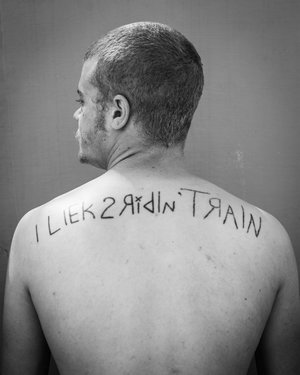
Swampy, the pseudonym of the artist that created these photographs documenting a year's freight train journey from Mexico to Alaska used simple, yet powerful technical decisions that work well with this style. The artist made the viewer feel emotions/sentiment that he had while he was embarking on this unique journey. His POV from his lens is what allows the reciprocation of these emotions to the viewer. One gets to visualize his experiences, and visualization as we know is a big reason for being able to take in feelings such as this.

The artist's intentions behind this concept of documenting his trip across North America by freight train and barge were to show the way that "The railway strikes out a different path across the landscape than roads and highways." Along with this, he wanted to show the sense of solitude that comes with riding and why he continues to do this even a decade later. The people he met on his journey and memories he made with them are ones that he will never forget. The images captured on this journey are something that came with this experience, however he set out for the journey and not just for the purpose of making photos. This shows that photography can be something that one has a natural connection to do along with their lives and the adventures we embark on, whether it be a daily routine or a once in a lifetime journey.

I admire the artist's intention's and concepts because I myself want to travel around the world and have photography as a way of living as I travel. I believe his intention of putting so much emphasis on the actual journey is important because it highlights how it's much more about the adventure to get somewhere than the actual destination. One will experience many things that they never imagined they'd take part in themselves or things that they've never even thought of doing. Meeting different people of varying backgrounds and stories is probably one of the best aspects of it. And then afterwards having a whole set of images that you made to reflect back on, is an amazing way to hold onto those visual memories forever.

"It is better to risk starving to death than surrender. If you give up on your dreams, what's left?" -Jim Carrey

Denver Edmonds- Gordon Parks *post 3*


1)  Technical decision and why I'm compelled/moved by said tech decisions?
 I feel as though Parks is romanticizing black communities and more specifically, the black communities of New York City. The colors are cohesive and every object within the photographs has a softness to them. Even within certain photos, he uses the perspective of his lens to really soften the frame.  The subject of the photo is usually a lot more focused than the background. The color choices and the movement of the photographs feel like a dream. Though the greyscale photographs are heightened by angles and lighting, it puts emphasis on the subject.  However, I cannot say it puts more emphasis on the context because each photograph has such detail. This detailing speaks towards the context and how it is supported by compelling technical decisions. 

2)  What I believe the artist's intentions and concept are?
As I said earlier, I feel as though Parks is romanticizing black communities because of colors and the softness of the photographs. Cameras and film were designed in such a way that made it harder to cater to black subjects in terms of lighting and contrast. Yet, Park's work truly feels like a love story to blackness by the movement of the photograph and even positioning of the subject. Personally, I think he is trying to retract the grittiness and turmoil each location has seen to create a new story of love, community, and nostalgia. 

3)  How do I personally respond to the intentions and concepts?
I enjoy Park's work because it allows me to see these historic locations differently. Also, I gathered a new perspective of black communities within that specific location.  Each piece gives me an odd sense of connection, in some way I feel as though I was there or I've seen something like the photograph in my own life.  

4) Why I chose this artist?
I chose Parks because I appreciate the way he reclaims certain perspectives of black culture. His work reminds me to never forget the beauty of our history and what it means today. Although this is a cliche, his work allows me to actually see a bigger picture and/or story within the context of black culture. Each artist that I chose has certain technical decisions that display beauty of black culture. With Parks, I discovered a wholeness and delicacy for our communities.  


Wednesday, September 12, 2018

Mariela Gavino - Mister Fili - Post 3

kid.jpg ektar100ny-7.jpgSatan.jpg

Ca_Made_The_Cut-19.jpg


LDAYPAY-19.jpg

Mister Fili (real name unknown) is currently based out of Richmond and has gained popularity through his street photography. Mister Fili is very active in the Richmond arts community and has actually done a show with Sasha Waters Freyer, the chair of the Photo/ Film department.
  1. Fili's compositional choices make his subject blend into the cityscape. He also frames a lot of his photos with strong diagonals, almost elongating the photos and giving them depth. His exposure in natural lighting also makes the photo feel more realistic and candid. These photos could be in any city in America and that ambiguity makes the photos a little more relatable to the viewer.
  2. I believe Fili's intents are to show how people define the city. They become the lamp posts, the benches, the signs. Fili is showing the side streets of these cities where the locals dwell, that they too are worth capturing in a photo. I also believe it is a display of everyday urban life and the rawness of stagnation aided by composition. Most people are used to going about their every day lives unnoticed. Its not a new, groundbreaking concept, but Fili captures everyone in their element and comfort. It makes me wonder if some of the subjects even knew they were being photographed.
  3. I found Fili's photos to be familiar. They way they are framed makes it as if they are from the perspective of anyone walking down the street. I see people like this everyday in Richmond, wherever I walk. These photos inspire me to try my hand at street photography. Fili has no fear in candidly taking photos of strangers and I want to have the same.

Quote that kills me: "Do not go gentle into that good night. Rage, rage against the dying of the light." -Dylan Thomas

Marlena Artis - Jamel Shabazz post 3


1. Which of the artist's many technical choices are of interest to you and why?
Shabazz generally uses people of color within his personal work. They're all usually straight forward portraitures of people he finds on the streets of New York. The way he goes about choosing his subjects are based on their clothes or ethnicity because Shabazz focuses on preserving history and culture. All of his photographs are clearly taken in that moment he stumbles upon a subject that catches his eye. These technical decisions stand out to me because it gives me a new approach in taking portraits of people.

2. What do you believe are the artist's conceptual and/or thematic intentions?
Shabazz uses his camera as a vehicle for conversing with his subjects, spending many hours with them before actually shooting. He wishes to bring out confidence and style in each of his subjects; he wishes for them to take pride in who they are and where they have come from. Therefore his reasoning behind preserving history and culture. I believe Shabazz chooses these groups of people because they are usually not properly presented to the public with false ideas and twisted claims.

3. How do you personally respond to these choices and intents?
 I really appreciate his contribution in preserving culture and history through his art. Shabazz's personal art is meant mainly for his subjects, not for aesthetics or commercialism. He focuses more on how the act of taking a stranger's photograph impacts them internally. On the other hand, many people take photographs for their own wants or publicity as opposed to Shabazz. I respect his artwork being mostly for the confidence and persona or others.

Sydni Stearns- Annie Leibovitz Post 3

Annie Leibovitz-

1.) Which of the artist's many technical choices are of interest to you and why?

The first photos I was introduced to of Annie's were her Disney images in which she placed influential celebrities into iconic scenes from Disney movies. I have included examples below. She photoshops her photos to create an extremely realistic scene that looks straight out of a Disney movie. I think that her photos are stunning and her use of photoshop when creating these images is insane to me. She does this so flawlessly and I don't understand how. I have not seen images quite like them before and I am so intrigued by them. Upon doing more research about her work, I have found her other photos that are pretty much the opposite of the Disney photos. They are so simple and timeless. They photograph legends such as Mick Jagger and Meryl Strep. She has worked with so many influential people and has created iconic images.

2.) What do you believe are the artist's conceptual and/or thematic intentions?

I believe that Annie Leibovitz's intentions are to create a photo that will make viewers wonder how she created such an image as well as a photo that entertains. She uses photoshop in such a way that makes the photo look so realistic and I know for sure that I sit and wonder how she did it so flawlessly. When referring to her more simple photos, I think that her intentions are simply to create a timeless photo of people that are influential to the time period. She definitely achieves this because her photos of celebrities when they were younger are iconic and highly regarded. She still takes photos of celebrities now.

3.) How do you personally respond to these choices and intents?

Personally, I respond positively to her choices and intents because I love a photo that leaves me perplexed as to how the artist did it and I love a simple photo that is just timeless. I hope to be able to make pictures for magazine covers as she does and/or utilize photoshop as well as she does because I believe her Disney photographs are stunning. I also believe that her more simple photographs are such a great stamp in time to show the influential people of different generations. Annie Leibovitz has had a long, successful career and has worked her way to where she is which is making pictures for magazines and continuously getting her name out there while leaving a trail of timeless photos.


Monday, September 10, 2018

Schuyler VanSyckle - Michael Joseph - Post 3

Inspirational Quote:  “Others successes are not your failures”—- Unknown

  Fightmaster I, Austin, TX 2016  © Michael Joseph      Shameless, Austin, TX 2013  © Michael Joseph
  Smiles & Ophelia, New Orleans 2015  © Michael Joseph      Alex, New Orleans, LA  2018, Ã‚©  Michael Joseph      Ekasah III, New Orleans, LA 2016  © Michael Joseph      James II, Austin, TX 2017  © Michael Joseph

"Lost and Found"--- Photos By Michael Joseph

1. Which of the artists many technical choices are of interest to you and why?

The choice that Michael made to create portraits of these individuals is one thing that interests me. Portraits are one of my favorite things to make because something about focusing in on all the features of one individual is so powerful and contains so much meaning. Their facial expressions, features/details on their face, their eyes, and even the clothing their wearing can tell so many different stories and show so many different emotions. 

2. What do you believe are the artists conceptual and/or thematic intentions?

I believe that Michael's intentions for these photographs were to capture the story behind the individuals. Michael wanted to be able to share these portraits to show and tell other people about what they went through and are going through. All these individuals have the same overall story yet each is different in its own way. 

3. How do you personally respond to these choices and intents

I can personally respond to Michael's choices and intentions by saying I believe that he did a beautiful job on capturing and making these photographs. Each picture hold so much meaning and so many emotions. 

Saturday, September 8, 2018

Mariela Gavino - Cara Stricker - Post 2 (late)

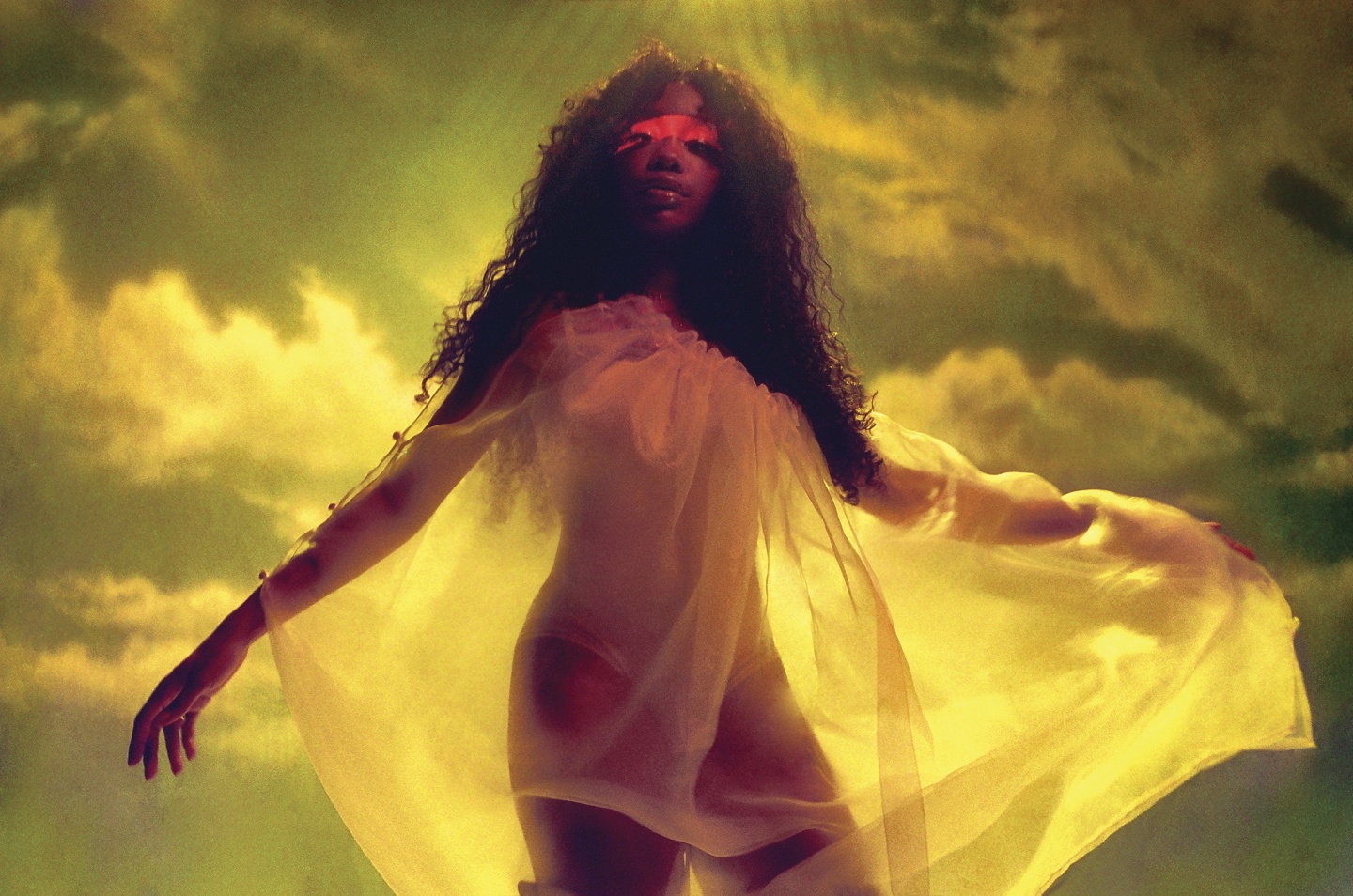
Cover Story: SZA
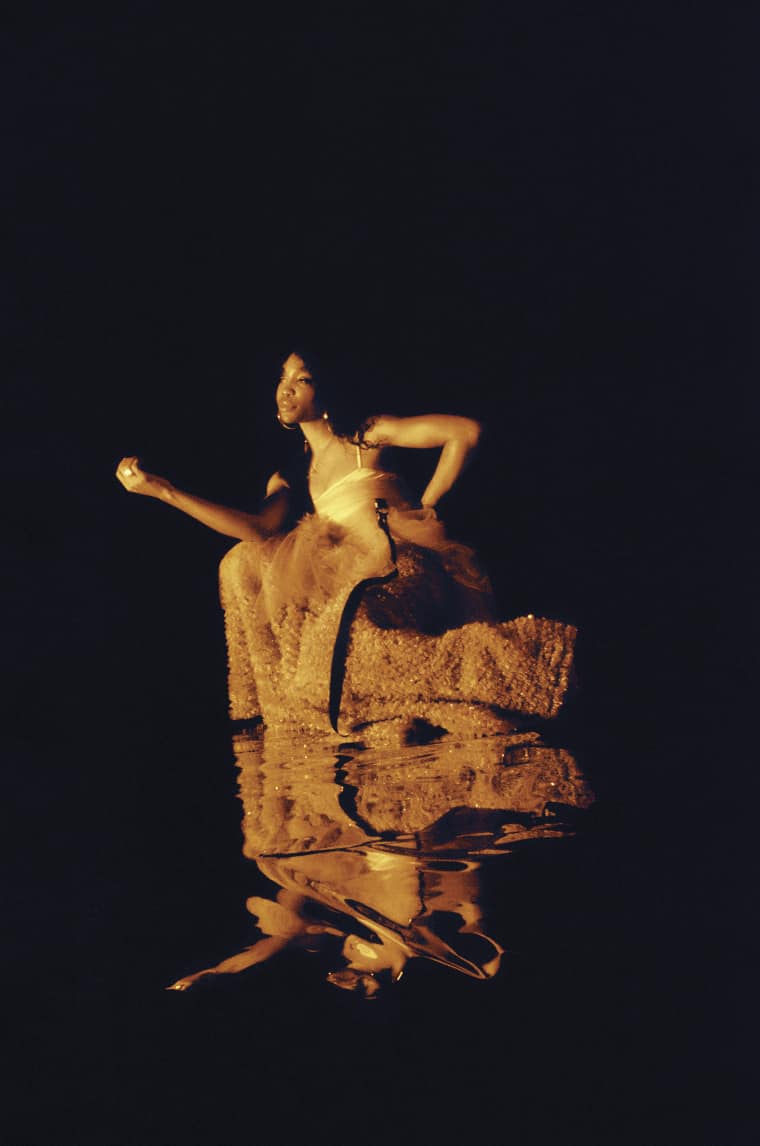
Cover Story: SZA


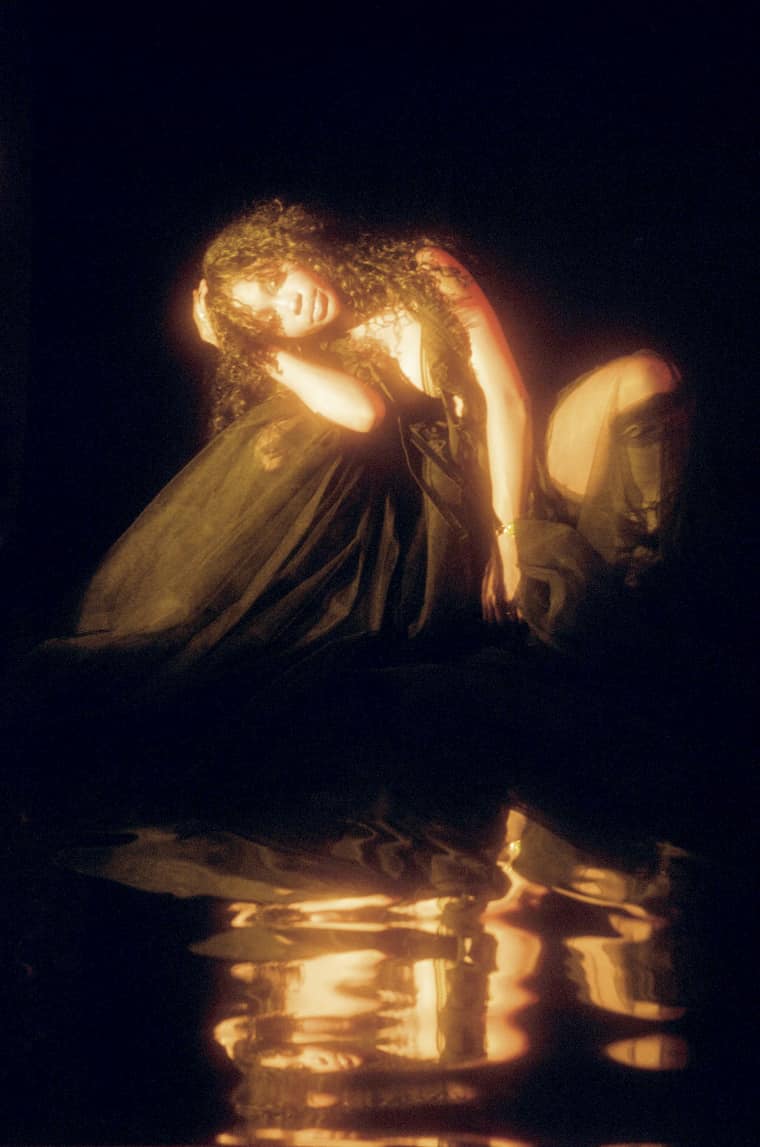
 Cover Story: SZA

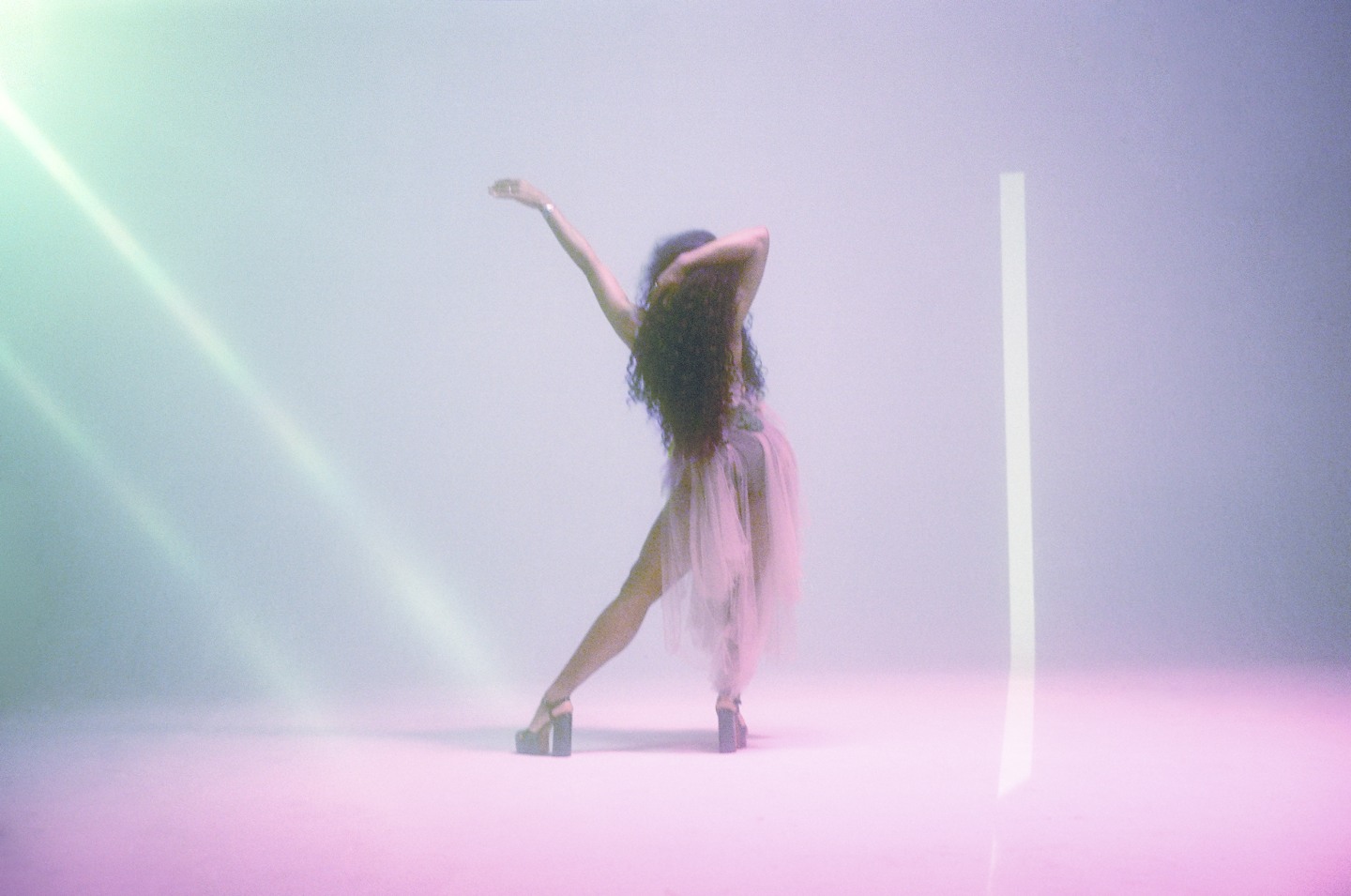
Cover Story: SZA          Cover Story: SZA
Cover Story: SZA


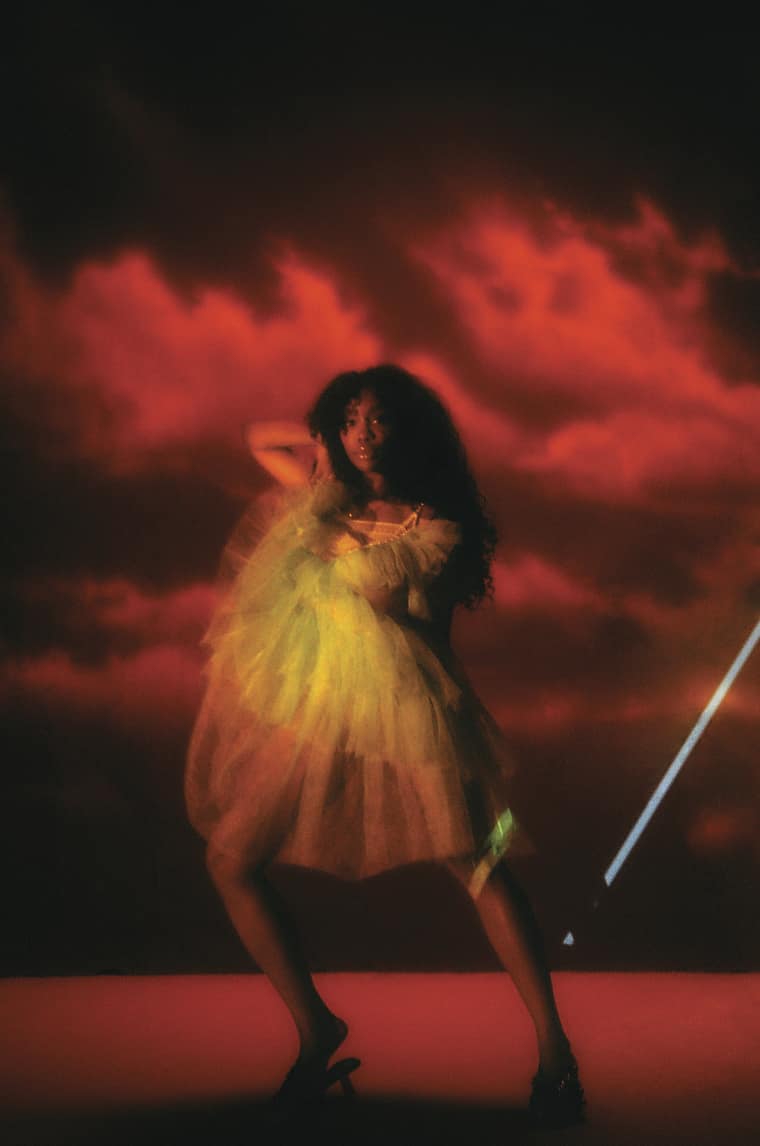
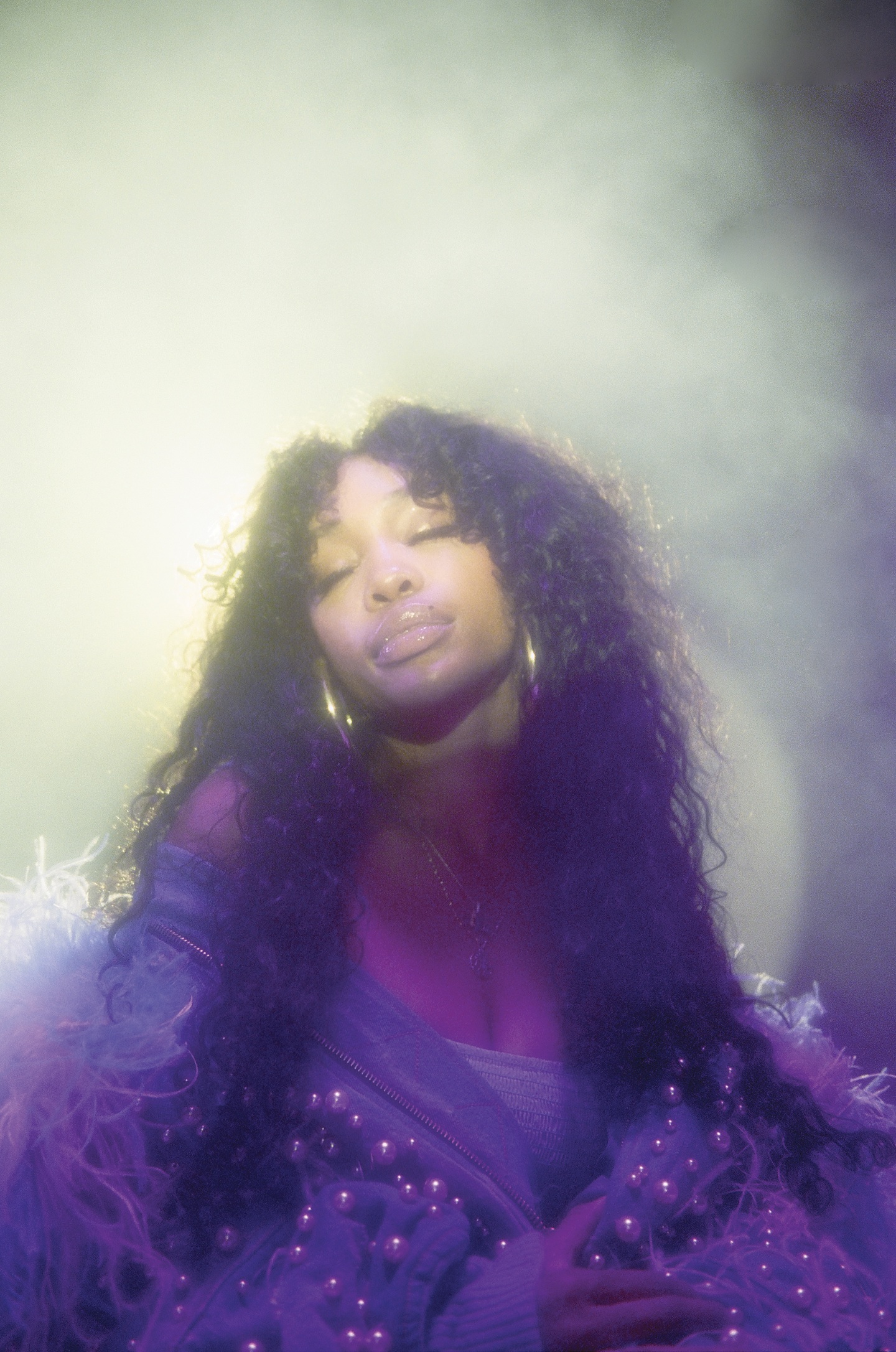
  1. I was initially attracted to the photos because she shot for the cover of theFADER magazine's earth issue in Spring 2018 which one of my favorite artists, SZA was featured on. I was blown away by the photoshoot and immediately researched who had shot it. Cara Stricker creates beautiful dreamlike photos with soft focus and vivid colors. The lighting is heavily manipulated and diffused. She pushed this dreamlike theme even further with the use of smoke as well dance like movement by her subject. Stircker's composition almost makes it look like a painting. I would personally like to create photoshoots like hers. I am inspired by her use of colors and soft focus especially and I want to utilize similar techniques in the future.
  2. Sticker's aesthetic choices convey a surrealistic theme. She focuses heavily on visuals rather than commenting on a similar subject. Her techniques seem to be purely aesthetic. But even then, it could be argued that her intent was the make the subject seem like a dream to the viewer. The subject is soft and smokey in most of the photos, as if to suggest to the viewer that she is not real.
  3. I am personally captivated by her aesthetic choices and consistency. Her use of color is beautifully blended and I definitely want to use color the way she does. I want to be able to create photos that have communicative impact but I also want to make photos that are just purely beautiful. Stricker's techniques influence me to try different techniques with focus and color to achieve this.

Friday, September 7, 2018

Reeve Forget- Winnie Au- blog post 2

 Winnie Au
1) Winnie is a role model to me in many.  different aspects, but one that inspires me the most is her use of bold colors. That is always a scary thing to start to incorperate, but if you do it successfully, then it makes a beautiful image.

2) All of her images have a very light and airy feel. I think one of her conceptual goals is just to inspire others to work on the light side of photography. She uses natural light to create a very soft look.

3) I want to incorperate more of this style into my pieces. I love the dream-like affect these give off, and would enjoy including some in mine.


Schuyler VanSyckle - Juan Madrid - Post 2

madrid_juan_03.jpg   madrid_juan_09.jpg
madrid_juan_06.jpg   madrid_juan_02.jpg

"Daze"--- Photos By Juan Madrid

1. Which of the artists many technical choices are of interest to you and why?

I love the choices that Juan made to focus on capturing moments in time/moments in motion. None of Juan pictures that were captured are posed or planned. I enjoy this technical choice because pictures like these cannot be retaken and truly resemble that one genuine moment in time. 

2. What do you believe are the artists conceptual and/or thematic intentions?

I believe that Juan's intentions for these photographs is to be able to share this moment with many others. Moments should be cherished and being able to look back on that one second/moment in time is something that Juan truly wanted others to see. 

3. How do you personally respond to these choices and intents?

I can personally respond to these choices and intentions that were made to create these photographs as a reflection on my own life. I feel like the majority of the world lives in a fast pace life where their daily routine is never ending. Juan captured these moments to tell and remind his audience that once in awhile we should all slow down and take our time with things that are happening in our lives.